
Master Muscle Building Nutrition
Discover the science-backed nutritional strategies that transform physiques. Our comprehensive guides explore protein optimization, carbohydrate timing, micronutrient balance, and meal planning designed specifically for men seeking sustainable muscle growth and strength development.

The information on this site is for educational purposes only and does not constitute medical advice. Always consult a qualified healthcare professional before making health decisions.
Six Pillars of Effective Muscle Nutrition
Understanding these core nutritional principles will help you build muscle efficiently, avoid common mistakes, and design meal plans aligned with your training goals.
Protein Optimization
Learn how much protein your body needs daily, the best protein sources for muscle recovery, timing of intake around workouts, and how to distribute protein across meals for maximum muscle protein synthesis. We explore lean meats, fish, eggs, and plant-based options suitable for different dietary preferences.
Carbohydrate Timing
Understand how carbohydrates fuel intense training sessions and support recovery. Discover pre-workout nutrition strategies, post-workout carb windows, daily carb distribution, and how to adjust intake based on training intensity. Learn which carb sources provide sustained energy versus quick glucose spikes.
Fat Intake Strategy
Healthy fats are essential for hormone production, nutrient absorption, and overall health. Explore the role of omega-3 and omega-6 fatty acids, best sources including nuts, seeds, avocados, and oils, daily fat requirements, and how dietary fat supports testosterone and other hormones critical for muscle building.
Micronutrient Balance
Vitamins and minerals support energy production, muscle contraction, and recovery. Learn about zinc, magnesium, iron, B vitamins, and vitamin D—their roles in muscle building, deficiency signs, food sources, and whether supplementation is necessary. Proper micronutrient status prevents plateaus and enhances performance.
Calorie Surplus Management
Building muscle requires eating more calories than you burn. Discover how to calculate your maintenance calorie needs, determine an appropriate surplus, track intake without obsession, adjust based on progress, and maintain a surplus sustainable for months. Learn signs you need more or fewer calories.
Meal Planning Frameworks
Practical meal planning turns theory into action. Explore simple frameworks for structuring daily meals, batch cooking strategies, flexible dieting approaches that fit lifestyle, eating out guidelines, and how to maintain consistency without rigid restrictions. Sustainable habits outweigh perfect nutrition.
Your 4-Stage Nutrition Optimization Journey
Implement these steps progressively to build a solid nutritional foundation that supports consistent muscle growth over months and years.
Calculate Baselines
Determine your maintenance calories using activity level and body weight formulas. Calculate your target protein intake based on lean body mass. Establish baseline measurements to track progress objectively over time.
Design Your Surplus
Add 300-500 calories to maintenance for lean muscle gain. Distribute macronutrients: prioritize protein at 0.8-1g per pound of body weight, allocate remaining calories between carbs and fats based on training preferences and satiety.
Build Your Meals
Create a rotation of 5-7 favorite meals hitting your macros. Structure meals with lean protein, complex carbs, healthy fats, and vegetables. Prepare at least 2-3 days of meals ahead. Track intake loosely to ensure consistency without obsession.
Monitor & Adjust
Weigh yourself weekly and track average weekly weight. Review strength progression in the gym. If weight stalls for 3 weeks, add 100-200 calories. If gaining too much fat, reduce surplus. Fine-tune every 4-6 weeks based on results.
Understanding Your Macronutrients
Protein: The Building Block
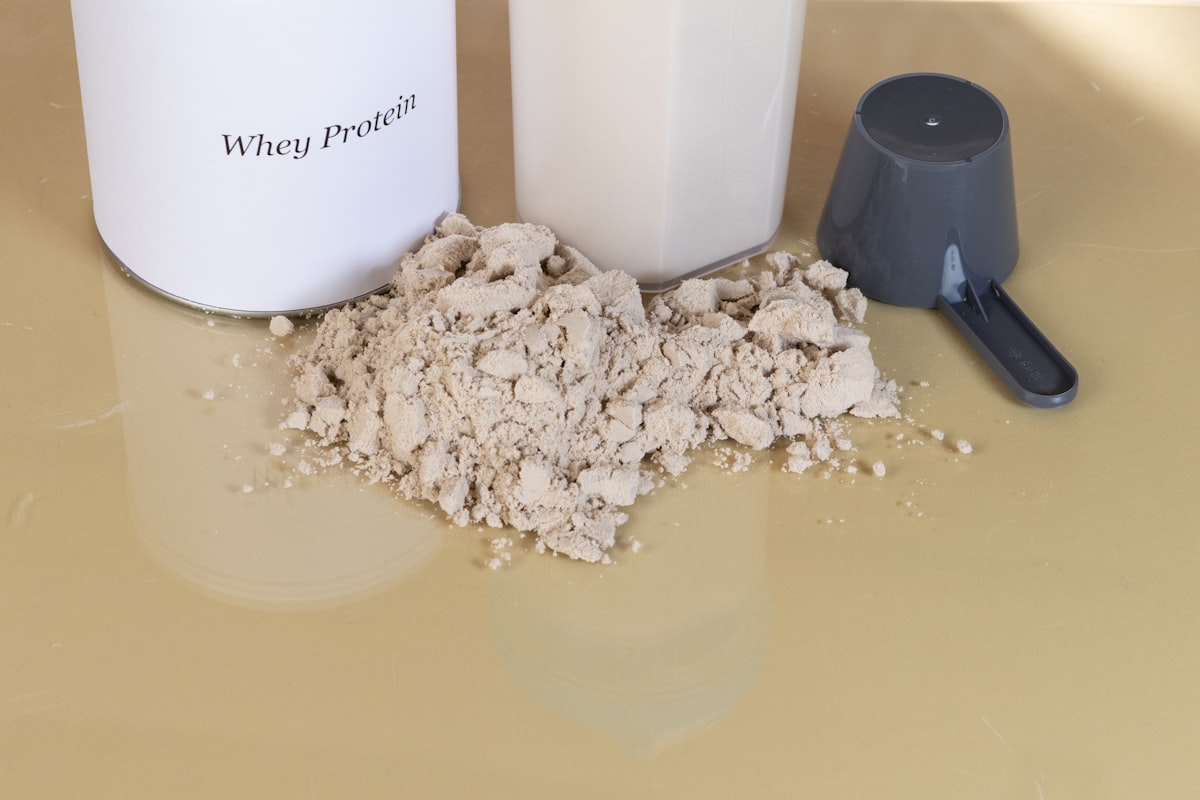
Protein provides amino acids that repair and build muscle tissue after training. Aim for 0.8–1.0 grams per pound of body weight daily. Spread intake across 4-5 meals to maximize muscle protein synthesis. Combine varied sources: beef, chicken, fish, eggs, dairy, legumes, and nuts for complete amino acid profiles.
Carbohydrates: Your Energy Source
Carbs fuel intense training and replenish muscle glycogen depleted during workouts. Time most carbs around training: pre-workout for sustained energy, post-workout for recovery. Include whole grains, oats, rice, potatoes, and fruits. Adjust total intake based on training volume—higher training frequency demands more carbohydrates.
Fats: Hormonal Support
Dietary fats support testosterone production and nutrient absorption. Aim for 0.3–0.4 grams per pound of body weight. Emphasize unsaturated fats from olive oil, avocados, nuts, and fatty fish rich in omega-3s. Minimize trans fats and excessive saturated intake. Healthy fats improve satiety, making calorie surplus easier to maintain.
Popular Nutrition Frameworks
Different approaches work for different people. Explore these proven frameworks and choose the one that fits your lifestyle, preferences, and training schedule best.
Flexible Dieting
Track macronutrients daily but eat any foods you enjoy—pizza, ice cream, everything fits if it fits your macros. Provides ultimate flexibility and sustainability for busy professionals.
- Works with any food preference
- Requires tracking discipline
- Great for social flexibility
Meal Prep System
Cook large portions of protein, carbs, and vegetables weekly. Assemble consistent meals daily without daily cooking. Ideal for consistency-focused lifters with moderate cooking interest.
- Guarantees consistency
- Saves time and money
- Less variety weekly
Whole Food Focus
Eat unprocessed foods with simple tracking: protein source, carb source, fat source, vegetables. No calorie counting—portion sizes based on hunger and fullness cues.
- Minimal tracking burden
- Nutrient-dense foods
- Requires intuitive eating skill
Frequently Asked Questions
Answers to common questions about muscle-building nutrition, implementation, and troubleshooting common challenges.
Research supports 0.7–1.0 grams of protein per pound of body weight for muscle building. A 180-pound man should consume 126–180 grams daily. This range optimizes muscle protein synthesis without excessive intake. Spread protein across 4–5 meals for better absorption and satiety. Exceeding this range provides minimal additional benefit and adds unnecessary calories, making a calorie surplus harder to maintain.
Building significant muscle requires a calorie surplus in most cases. Your body needs extra energy to build new tissue. Beginners may experience muscle growth in a slight deficit for 3–6 months, but progress plateaus quickly. A 300–500 calorie surplus above maintenance provides the optimal environment for muscle gain while minimizing excessive fat accumulation. This surplus combined with proper training and protein creates the conditions your body needs for consistent muscle building.
Consume 30–40% of daily carbs 1–2 hours before training for sustained energy and workout performance. Eat another 30–40% immediately post-workout to replenish glycogen and enhance recovery. Distribute remaining carbs throughout the day at breakfast, snacks, and other meals. This timing maximizes training intensity and recovery without being overly rigid—total daily carbs matter more than exact timing. If you train early morning, eat carbs the night before or have a small pre-workout snack.
Whole foods provide all nutrients needed for muscle building. Supplements are optional tools that add convenience, not necessity. Protein powder helps reach daily targets if whole food sources are impractical. Creatine monohydrate is evidence-supported for modest strength and muscle gains. Multivitamins fill potential micronutrient gaps if diet is inadequate. However, no supplement replaces proper training, consistent nutrition, and adequate sleep. Master nutrition fundamentals first; consider supplements only after basic nutrition is dialed in.
Weigh yourself weekly and calculate your average weight over 4 weeks. A steady gain of 0.5–1.5 pounds monthly indicates an appropriate surplus. Strength should progress in the gym—adding weight or reps each week on main lifts. Energy levels should feel stable and recovery good—not excessively tired. If weight stalls for 3+ weeks despite consistent training, add 100–200 calories. If gaining more than 2 pounds monthly, reduce calories slightly. Combine scale data, strength progression, and subjective feel for accurate assessment.
Muscle building is possible with any dietary restriction. For vegetarians: prioritize legumes, tofu, tempeh, nuts, seeds, and eggs. Combine incomplete proteins throughout the day. For vegans: ensure adequate protein from plant sources and consider plant-based protein powder. For allergies: work around triggers while maintaining protein and calorie targets. A dairy-free lifter can use soy milk and eat more meat; a gluten-free lifter can use rice, potatoes, and corn. The fundamental principles—adequate protein, calorie surplus, micronutrient balance—apply universally. Restrictions require more planning but don't prevent muscle growth.
Real Men, Real Results
Read how men across Indonesia have applied these nutritional principles to transform their physiques and strength levels.
"I spent two years training hard but eating inconsistently. After learning to structure my nutrition with proper protein and a calorie surplus, I gained 15 pounds of muscle in six months while staying lean. The framework here actually works—you just need to commit and track progress honestly."
Rudi Hartono
Jakarta, 28 years old
"The meal prep guides saved me so much time. I went from eating fast food daily to cooking healthy meals in bulk. My energy levels are through the roof now."
Maya Patel
Bangalore, 26 years old
"As someone with a busy schedule, I needed simple strategies. The nutrition tips are practical and don't require hours in the kitchen. Results came faster than expected."
Chen Wei
Singapore, 31 years old
"The community support here is incredible. Having access to real answers from experienced people made all the difference in staying consistent."
Aisha Mohammed
Dubai, 25 years old
Frequently Asked Questions
Get answers to common questions about wellness and nutrition.
Ready to Transform Your Health?
Join thousands who've already improved their nutrition, built muscle, and developed lasting healthy habits with our evidence-based strategies.
No credit card required. Access free guides and resources instantly.